Driving Rules in Phuket
Thai road rules are close to European ones with two key differences: left-hand traffic and zero alcohol tolerance behind the bars. Police check at tourist zones, fines are small but you don't want one over a Singha. Here's what matters.
Basic Traffic Rules
Left-hand traffic — overtake on the right side. The first hours your instinct will pull you to the wrong lane. Take it slow on day one until it clicks.
Traffic lights are standard but locals run reds, especially at night. Don't assume the turning car will yield — it might not.
Signs are in Thai and English, lane markings standard. Yellow curb means no parking, white means OK.
What Police Usually Check
Tourist checkpoints at the entrances to Patong, Karon, Chalong. They check: helmet (both rider and passenger), bike documents (we hand over a packet at pickup), low-beam headlights on (Thai law: lights always on).
No helmet — 500 ฿ fine on the spot, sometimes 200. No license — officially 500-1,000 ฿, in practice they negotiate. No bike documents — the bike can be impounded. Don't lose the document packet we give you.
Routes with fewest checkpoints: west coast (Patong to Rawai), east (Chalong to Phuket Town). Most-checked: Bangla Road in Patong, beach exits at night.
Things to Keep in Mind
Always, both riders. Don't take it off while moving. We give you 2 helmets; for three-up, bring your own third.
0.5‰ legal limit (one beer max). In practice — zero tolerance, especially after an accident. Insurance won't cover.
60 km/h in town, 90 on highway. Speeding in sensitive zones (near schools, beach exits) is a typical reason to get pulled over.
In Thailand low-beam stays on day and night. If your headlight is off, you get stopped.
Special Situations
Accident: don't leave the scene. Call police (191) and us on WhatsApp at the same time. Without a police report, insurance won't pay.
Rain: tropical downpours leave asphalt slippery for 10-15 minutes after they stop, due to oil washed onto the road. Slow down.
Night: after 10 PM there are fewer cars but more drunks. If you ride at night — high-beam on rural roads, low in town.
Which Bike Is Safer
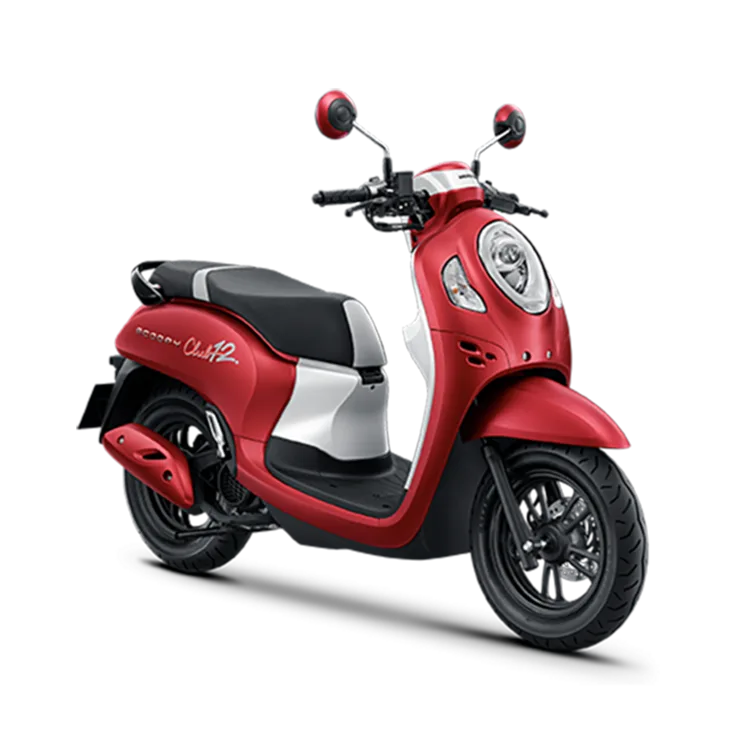
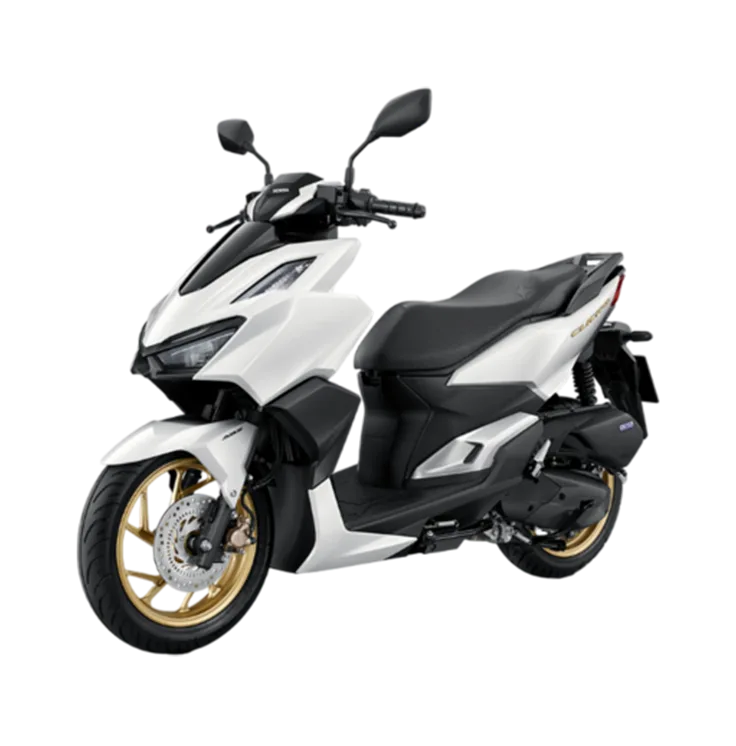
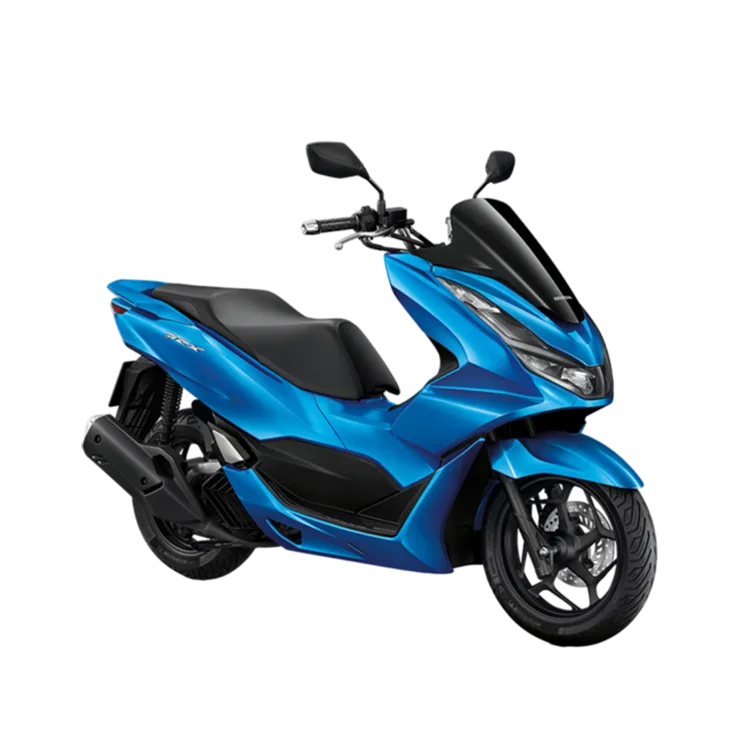
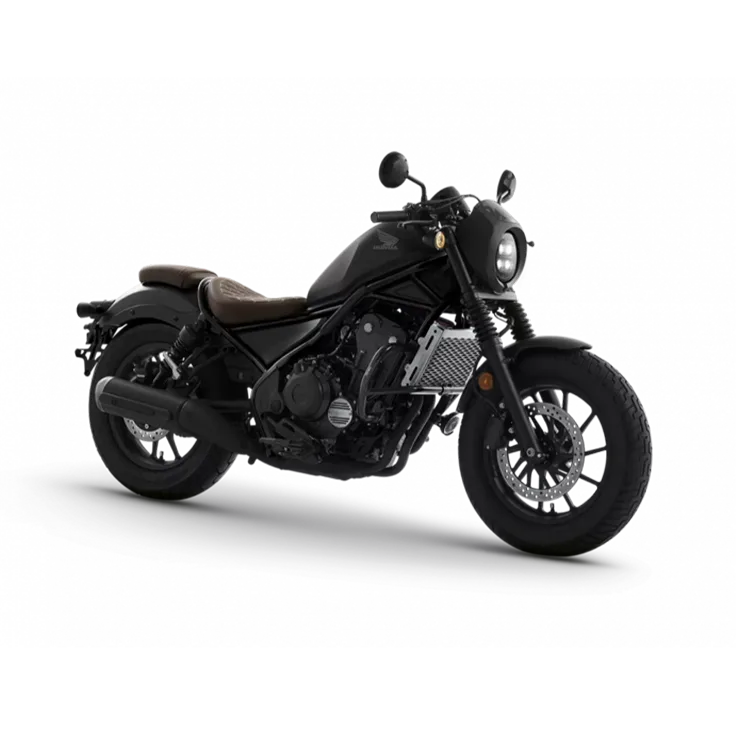
Light scooters (Scoopy 110, Fino 125) are easier to handle and easier to pick up after a tip-over. Heavy motorcycles (Rebel 500, MT-15) need experience, but ABS gives you more control under emergency braking. For couples — PCX 160 or NMAX 155: more stable two-up, ABS included.
Need a Bike with ABS and Insurance?
We'll match a model with the right safety level for your experience. Base insurance included. Delivery to any Phuket zone.